.svg)


A Simple Guide to Heat Pumps
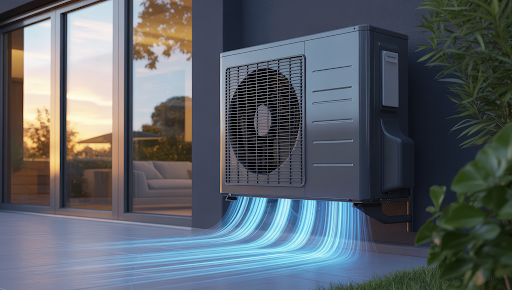
Heat pumps might sound complicated, but they’re actually quite simple. A good way to think of one is as a fridge working in reverse.
A fridge removes heat from inside and pushes it out (which is why the back feels warm). A heat pump does the opposite—it takes heat from outside and brings it into your home to keep you warm.
There are two main types of heat pumps:
Air source heat pumps
These are the most common. They’re generally easier to install and more affordable. They work by taking heat from the air outside—even when it feels cold—and using it to heat your home.
Ground source heat pumps
These work in a similar way, but instead of using air, they draw heat from the ground through pipes buried underground. The earth holds a steady level of warmth all year round.
Ground source systems usually cost more to install (often 2–3 times more), but they can be cheaper to run over time because the ground provides a more consistent source of heat.
You might come across terms like COP and SCOP when looking at heat pumps.
That’s why SCOP (Seasonal Coefficient of Performance) is more useful. It shows the average efficiency over the whole year, including colder days when the system has to work harder.
In short, SCOP gives you a more realistic picture of how the heat pump will perform in everyday use.
1. Evaporator
This part collects heat from outside—whether from the air, ground, or water. Even in very cold temperatures, there’s still heat energy available. The evaporator absorbs this energy into a special refrigerant, causing it to turn into a gas.
2. Compressor (pump)
The compressor then squeezes this gas, increasing its pressure and temperature. This is what makes the heat warm enough to be used in your home’s heating system.
Heat pumps are designed to make the most of the energy around us, helping to keep your home comfortable while using much less energy than traditional heating systems.

Lorem ipsum dolor sit amet, consetetur sadipscing